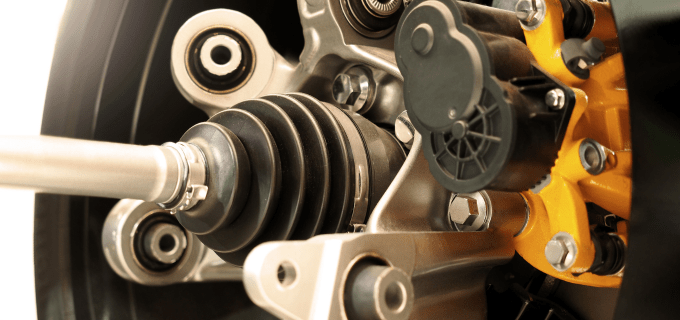
Lifting your 79 Series Land Cruiser is a fantastic way to improve its off-road capabilities, add a more aggressive look, and create additional ground clearance. A 2-inch lift strikes a nice balance, offering these benefits without drastic changes to the vehicle’s center of gravity or handling. This guide will walk you through the steps of installing a 79 Series 2” Lift kit, with helpful tips for a smooth installation.
Why Install a 2 Inch Lift?
Before jumping into the installation process, it’s worth understanding the benefits of a 79 series 2” lift. This lift kit is a popular choice among 4WD enthusiasts as it offers improved ground clearance, better approach and departure angles, and a slight increase in tire size compatibility. Unlike taller lifts, a 2-inch lift doesn’t overly strain the vehicle’s components, so it’s more cost-effective and less complex to install. With these advantages, let’s get into how to achieve that lift on your Land Cruiser.
Tools and Materials You’ll Need
To install the 79 Series 2” Lift, you’ll need a few tools and parts. Check that you have the following:
- Lift Kit Components: Springs, shocks, and any included hardware
- Socket and Wrench Set: Essential for loosening and tightening nuts and bolts
- Jack and Jack Stands: To safely lift and support the vehicle during installation
- Torque Wrench: To ensure bolts are tightened to manufacturer specifications
- Spring Compressor (Optional): Useful for handling coil springs
- Penetrating Oil: Helps loosen bolts that may be rusted or seized
Step-by-Step Guide to Installing a 79 Series 2” Lift
Step 1: Prepare Your Workspace and Vehicle
Start by parking your Land Cruiser on a flat, stable surface and gather all your tools. Engage the parking brake and chock the wheels for added stability. Make sure you have everything within reach to avoid unnecessary interruptions during installation.
Step 2: Jack Up the Vehicle
Using a suitable jack, carefully lift the front end of the vehicle. Place jack stands under the chassis to securely support the vehicle’s weight. Repeat the process for the rear of the vehicle once you’re ready to work on the back.
Safety tip: Always double-check that the vehicle is stable on the jack stands before getting under it.
Step 3: Remove the Wheels
With the vehicle raised and secure, remove the wheels to access the suspension components. This step is crucial to reaching the shocks, springs, and other parts required for your 79 Series 2” Lift.
Step 4: Replace the Front Shocks and Springs
Begin with the front suspension:
- Remove the Stock Shocks: Unbolt and remove the factory shocks, being careful of any tension.
- Replace the Coil Springs: Use a spring compressor if needed to safely remove the old springs. Install the new springs included in your 79 Series 2” Lift kit, ensuring they’re seated correctly.
- Install the New Shocks: Attach the new shocks provided with your lift kit. Tighten bolts to the recommended torque specifications.
Step 5: Replace the Rear Shocks and Springs
With the front suspension complete, move to the rear of the vehicle:
- Remove the Old Shocks and Springs: Just as with the front, unbolt and remove the factory shocks and springs.
- Install New Springs: Place the new rear springs, ensuring they’re secure and properly seated.
- Attach the Rear Shocks: Install the new shocks that came with your 79 Series 2” Lift kit, following the kit instructions for proper placement and bolt tightening.
Step 6: Check and Adjust Other Components
A 79 Series 2” Lift may slightly alter the alignment of components, so check the following areas:
- Brake Lines: Ensure brake lines are not overly stretched or at risk of damage. If necessary, install brake line extensions to accommodate the lift.
- Steering and Driveline: Check that there’s no undue strain on the steering components or driveline. A 2-inch lift usually won’t require extensive modifications, but it’s still a good practice to inspect.
Step 7: Reinstall the Wheels and Lower the Vehicle
With the lift kit fully installed, reinstall the wheels and hand-tighten the lug nuts. Carefully lower the vehicle off the jack stands and remove the jack. Once it’s on the ground, tighten the lug nuts to the correct torque specifications.
Step 8: Perform a Test Drive and Alignment
Before taking your newly lifted Land Cruiser off-road, take it for a short test drive to ensure everything feels right. Pay attention to handling, braking, and any unusual sounds. After installing a 79 Series 2” Lift, an alignment is often recommended to correct any slight changes in camber or toe.
Tips for Maintaining Your 2 Inch Lift
After completing the installation of your 79 Series 2” Lift, keeping up with maintenance is essential. Here are some tips:
- Regularly Check Bolts: After a few hundred miles, check that all bolts remain tight, as the initial use may loosen them.
- Inspect Shocks and Springs: Every few months, inspect the shocks and springs for wear. Replacing them as needed will ensure a smooth, comfortable ride.
- Monitor Brake Lines and Steering: Periodically check brake lines and steering components to ensure they haven’t stretched or worn over time.
Conclusion
Installing a 79 Series 2” Lift on your Land Cruiser is a great way to boost its off-road potential, making it ready for the next adventure. By following these steps and using the proper tools, you’ll have a lifted 79 Series that performs better on trails and stands out with a rugged stance. Remember, taking the time to check and adjust components after installation will help keep your vehicle safe and enjoyable to drive.
With your new 79 Series 2” Lift in place, you’re ready to tackle tougher terrain and enjoy the enhanced capabilities of your Land Cruiser!
 Site Title
Leave a comment